

|
Getting your Trinity Audio player ready...
|
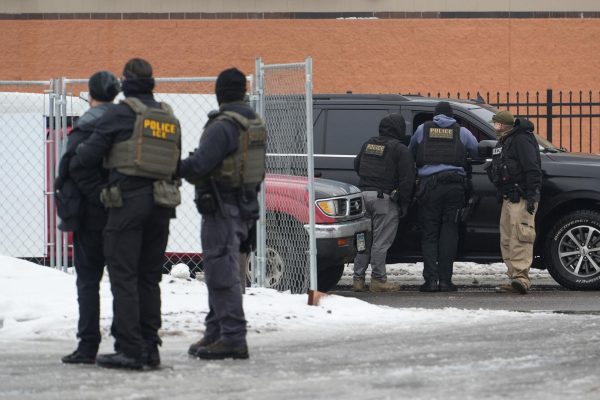
More than 1,000 U.S. Immigration and Customs Enforcement (ICE) agents have left the Minnesota Twin Cities area and hundreds more will depart in the coming days this week, according to White House appointed Border Czar Tom Homan.
These agents have remained active in the Twin Cities area and general communities of Minnesota since December 1, as a part of the Trump administration’s mass deportation campaign known as Operation Metro Surge.
Over the last two months, these masked law enforcement officers have arrested thousands of U.S. citizens and lawful residents whom they suspected as “criminal, illegal aliens”. Despite their claim of “targeting criminals”, one-third of people arrested do not have any criminal record. ICE has also allegedly used excessive force and have arrested or detained citizens based on their appearance.
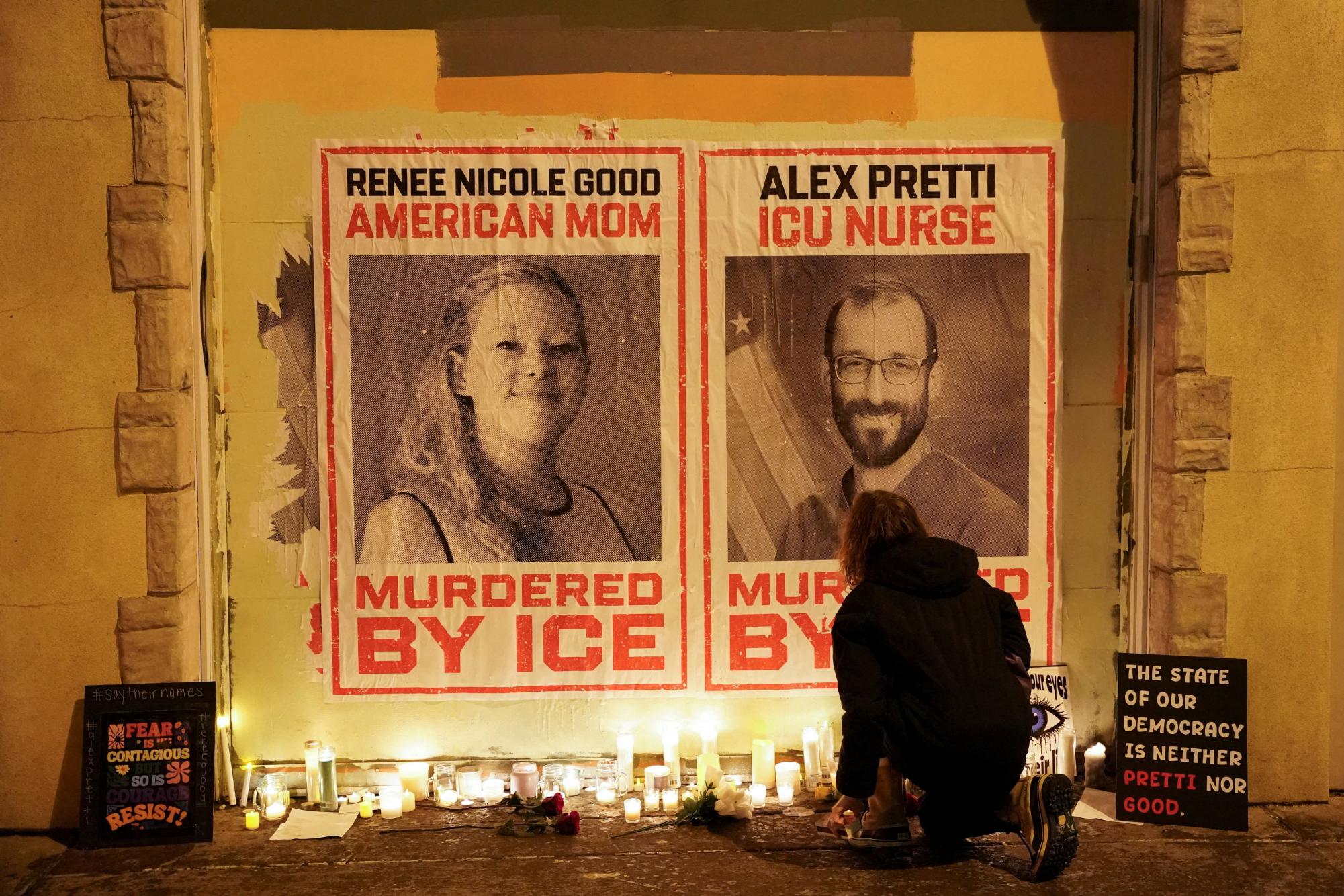
ICE officers also killed two American citizens, 37-year-old Minneapolis residents Renee Nicole Good and Alex Pretti, barely two weeks apart in January.
Good and Pretti are two of the eight people who have either been slain by federal agents or have died while in ICE custody in 2026 so far.
While Homan claims that ICE is moving out of the cities, locals report persistent ICE activities, especially in the general Minnesota communities.
These killings and other questionable acts by ICE agents have sparked protests and outrage throughout the nation.
Former Editor-in-Chief Evan Michaeli ‘24 is a sophomore student at Macalester College, a liberal arts college in St. Paul, Minnesota, and has experienced first-hand how ICE activity is impacting his community.
“The professors here and the classes here have been very different from the fall to the spring,” Michaeli said. “There are some classes that are flexible with attendance because of ICE. There is a lot of talk about ICE and how it’s impacting the city and the lives of the people.”
Michaeli noted that many of his classmates have had encounters with ICE, where their apartments were being raided.
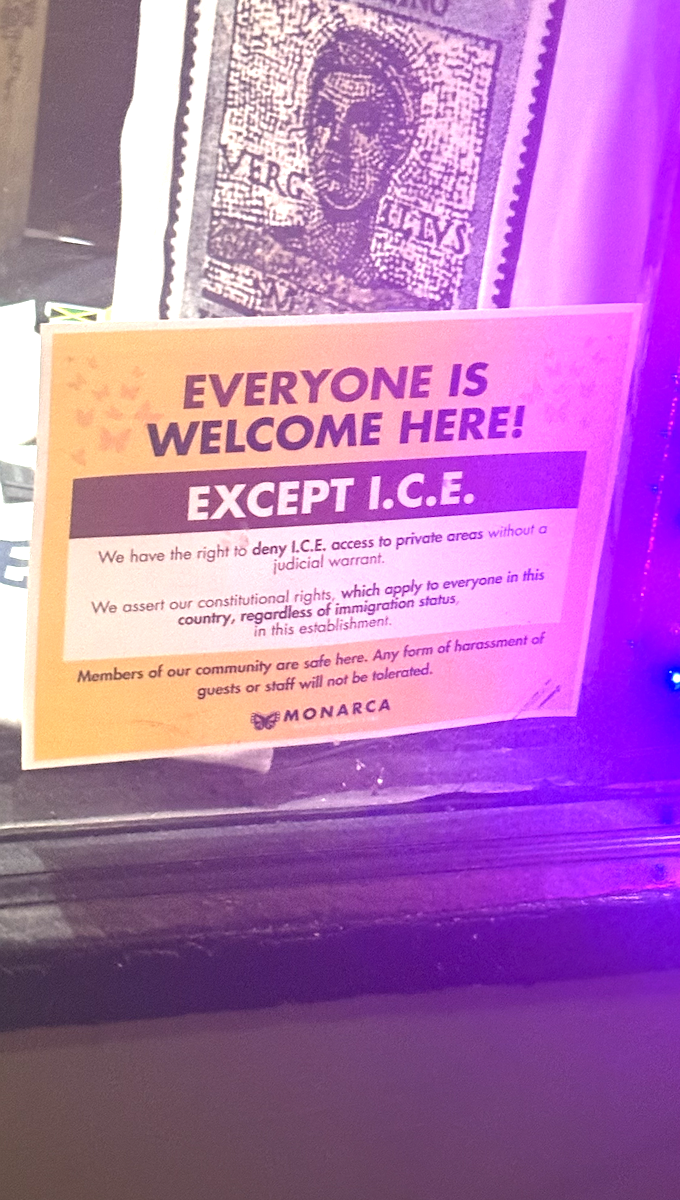
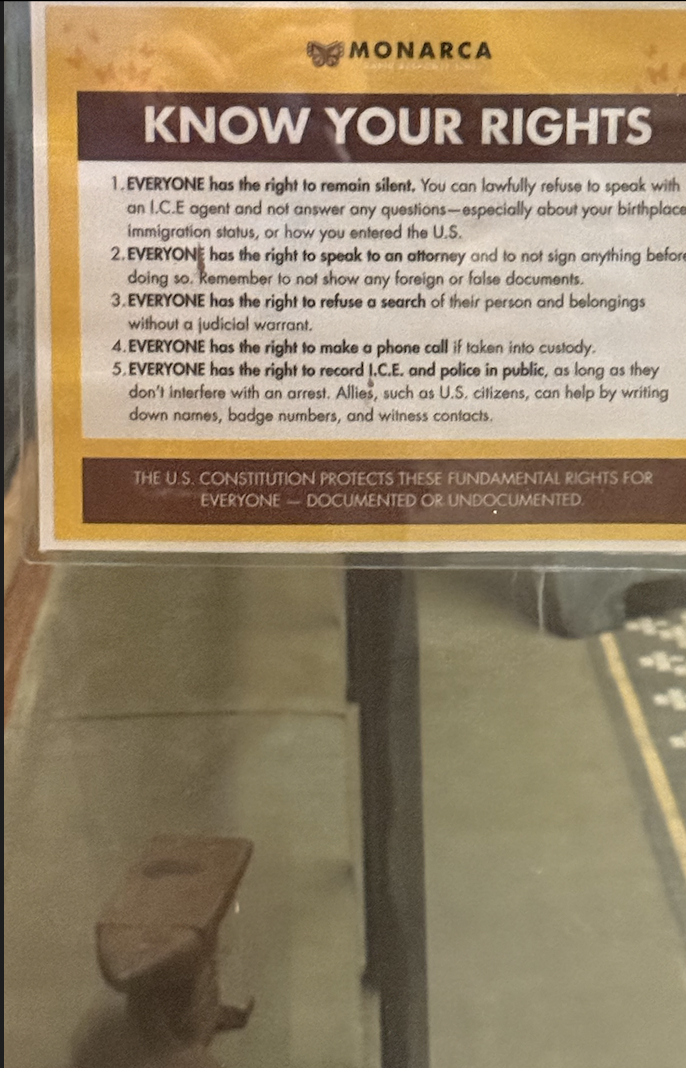
“Every single building [in Minneapolis] has something that says ‘fourth amendment property’ or ‘ICE can’t enter without a judicial warrant’.”
-
A “Know Your Rights” sign.
-
A “Know Your Rights” sign.
-
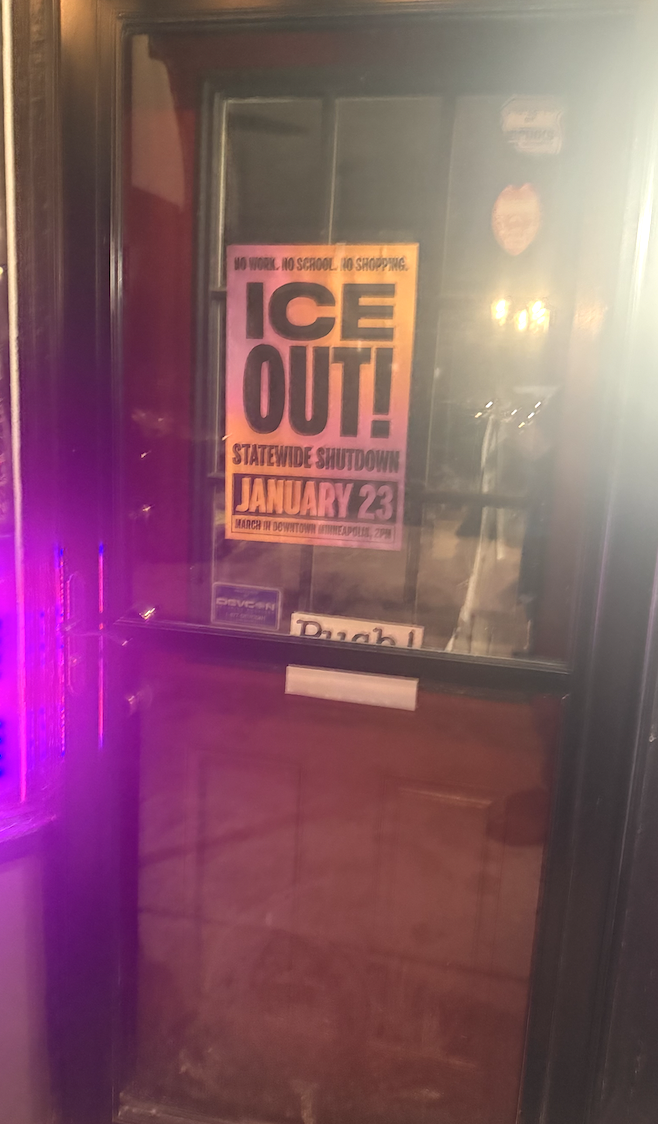
An “ICE OUT” sign posted on a door.
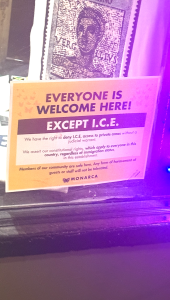
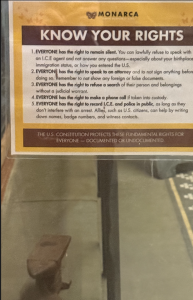
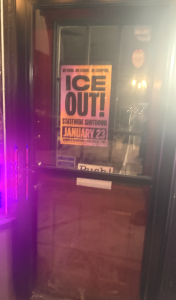
In addition to signage, the people of Minneapolis have been actively protesting since ICE’s controversial activities began.
Tens of thousands of people have protested ICE activity in Minnesota. With over 75,000 marchers, ICE Out of MN is one of the largest organizations protesting.
In addition, on January 23, hundreds of thousands of Minnesotans participated in a unified, statewide pause in economic activity as businesses closed and citizens took non-violent action.
However, the community is responding in more personal ways as well.
“There’s more than just protests where you can see it with the community,” Michaeli said. “I know of people who are doing grocery runs for neighbors and making sure they are safe.”
Michaeli also participated in one of the community-wide vigils with Minnesotans following the death of Pretti.
“Thousands of people came out,” Michaeli said. “It was -7F, and you can see the glow of the orange light from the candles and you can see everyone’s breath.”
Michaeli lives in a neighborhood in St. Paul where ICE activity is relatively low. He points out that ICE is intentionally targeting immigrant-dense areas of Minnesota.
“I am lucky because I am in a wealthier area of St. Paul,” Michaeli said.
“If you go up the street towards University Avenue, that is more of an immigrant area––more Latinos [and] more Somalis are there. There’s probably ICE activity right there.”
ICE is not only explicitly targeting immigrant communities and deliberately centering raids in these areas, but is also employing surveillance technologies and health records to track and “hunt” people down.
According to reports from 404 Media, immigration enforcement agencies recently purchased two programs called Tangles and Webloc used to track neighborhoods’ cell phone activities and to monitor people’s social media presence.
As ICE is beginning to move out of Minnesota communities, Michaeli emphasizes the importance of staying empathetic.
“Empathy is the way to get through times like this. Minnesota in general is just a fantastic area––the people here are probably the nicest I’ve ever been with,” Michaeli said.
Michaeli also urges people, especially students, to stay informed and aware during this time.
“I do think protests and making sure that your voices are heard is important, but also making sure we understand why things are happening,” Michaeli said.


Evan Michaeli • Feb 25, 2026 at 12:12 pm
Thank you, Mary, for interviewing me and writing this incredibly important article. While the past month or so was scary, reporting the truth and empathy within the community is valuable — and gets us through these difficult times.