








|
Getting your Trinity Audio player ready...
|
The School opened its 21st Bissell Grogan Humanities Symposium on Tuesday with a challenge for students: Hold on to authenticity and originality as artificial intelligence reshapes how people create and communicate.
With the theme “Authenticity & Originality Today,” the symposium also featured workshops on self-expression and individuality in a world shaped by adversity and rapid change.
Facilitator and strategic advisor Eric Hudson delivered the keynote address, setting a tone of reflection, challenge, and possibility.
“The number one fear that people have about AI is that it’s going to steal some of our authenticity and originality,” Hudson said. “My hope is that it helped attendees better understand how grappble with the ethics of evolving technologies, including how, where, and when to use them.”
As artificial intelligence blurred the line between human and machine, the symposium invited students in grades 8-12 to consider what it meant to stay authentic and original.
Established in 2006 in honor of Kenyon Bissell Grogan ’76, the annual event encourages students to engage deeply with timely and relevant ideas.
-
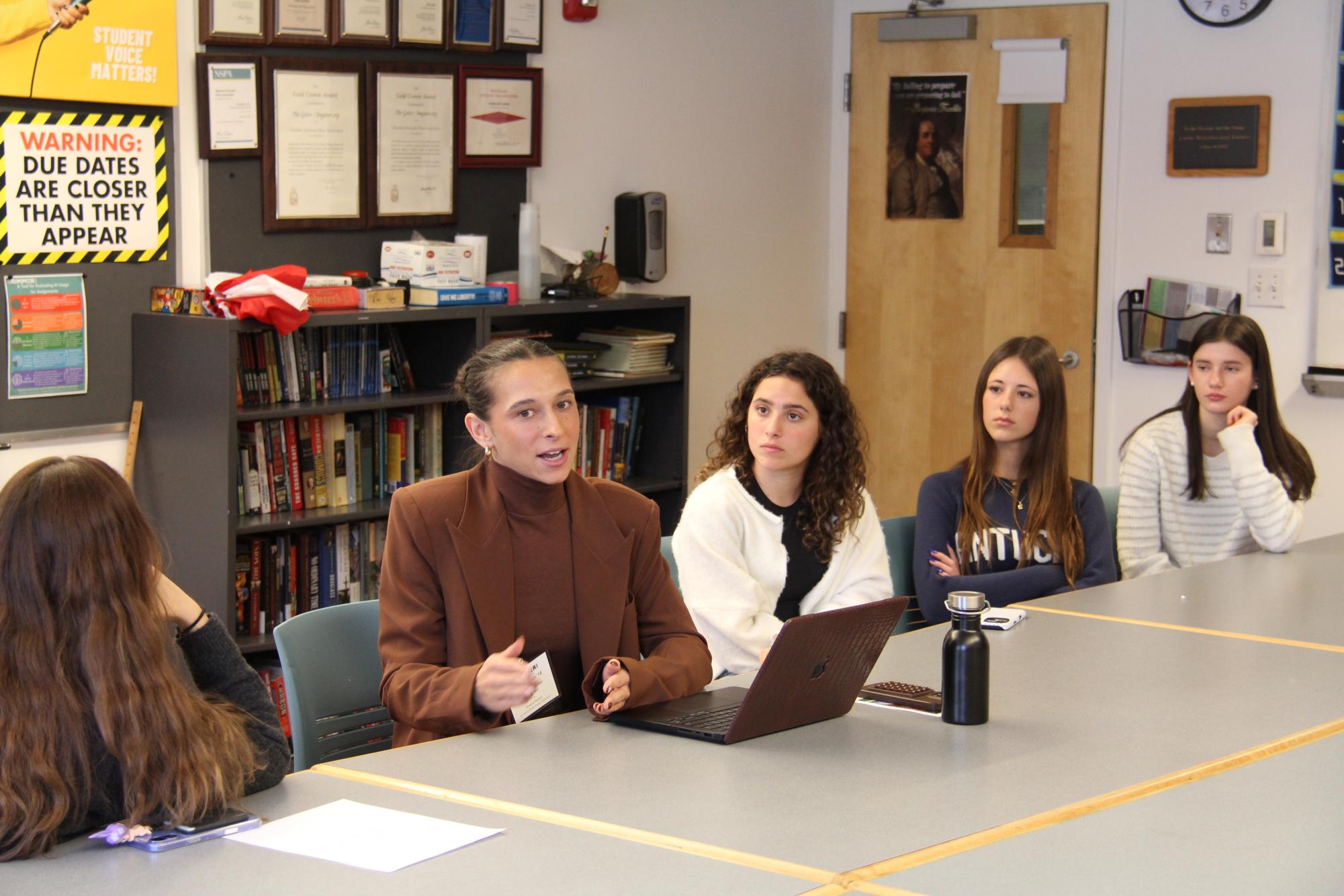
Shani Breiman ’18, Principal at Styled by Shani, guides students through the power of color analysis, personal style, and entrepreneurship, highlighting how authenticity, creativity, and intentional choices can shape both personal branding and business success.
-
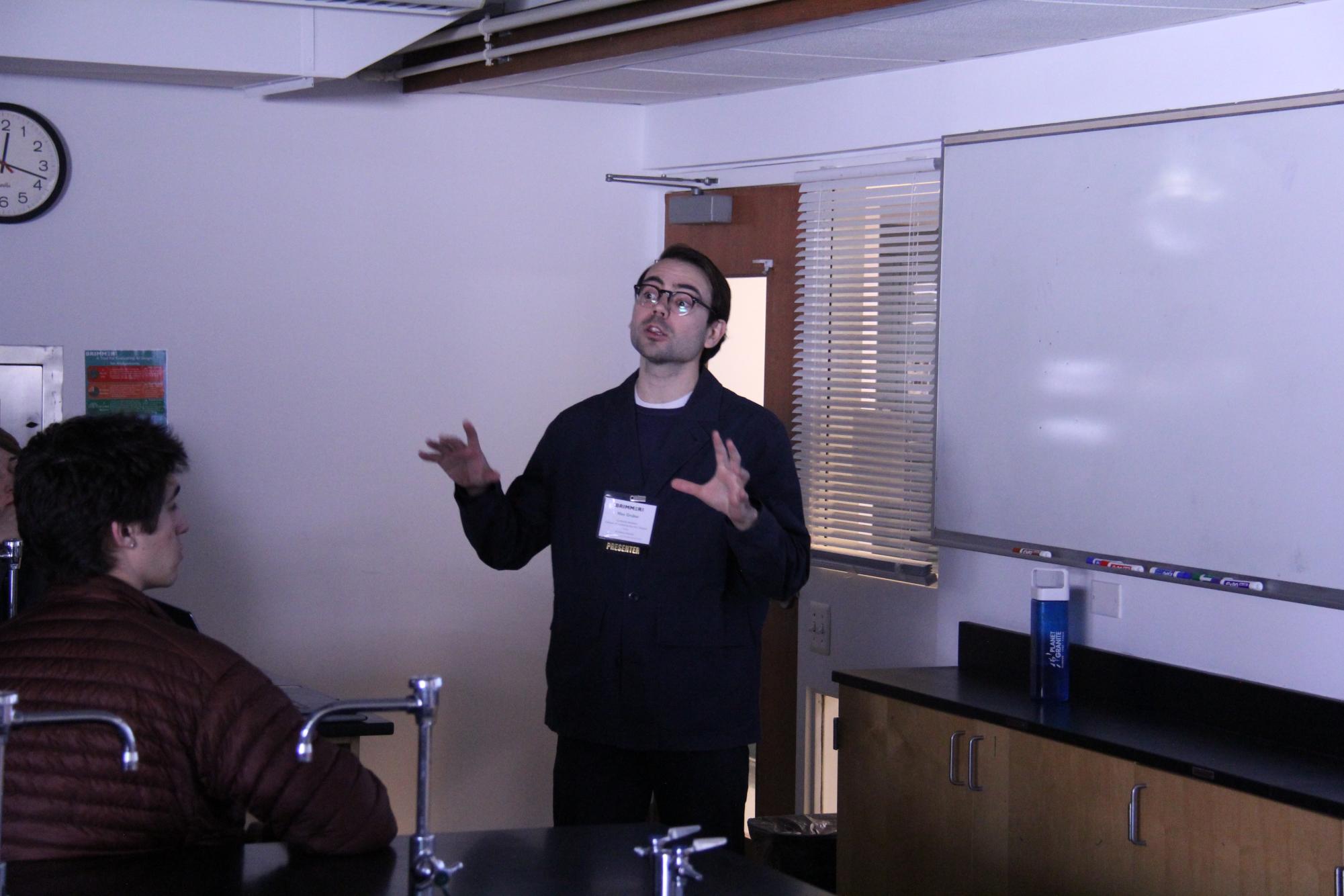
Max Gruber, Curator, leads Critical Vision: Why Look at Art in the Age of AI, examining why close looking and visual analysis matter in a world shaped by generative AI and machine vision. Through artworks spanning centuries, students explore how art fosters critical thinking, nuance, and interpretive skills beyond algorithmic pattern recognition.
-
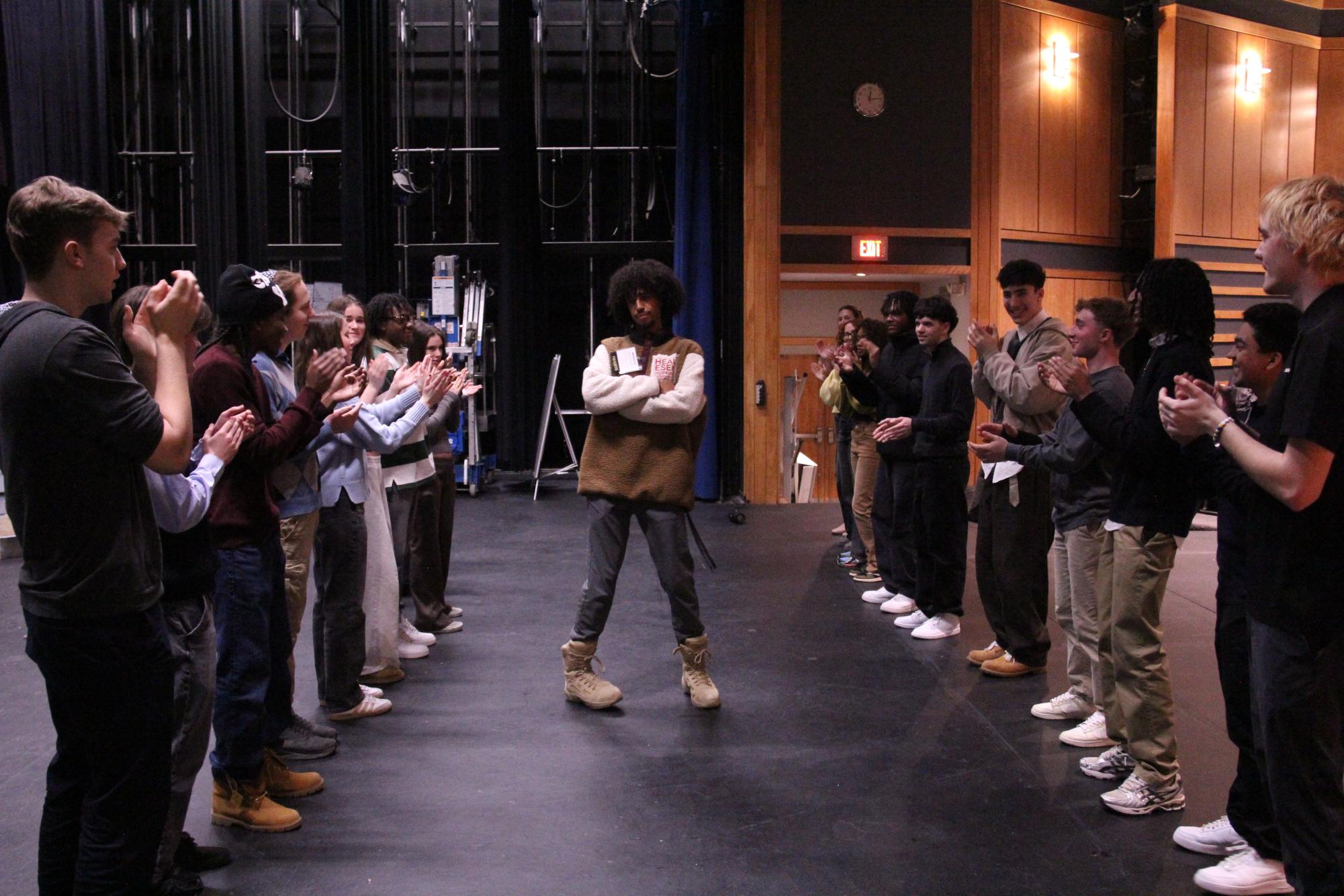
The Haus of Glitter Dance Company leads Afro-Latinx Dance + Activism, showing students how movement, storytelling, and social justice come together to inspire healing, imagination, and community change.
-
In Tango, Identity, and… Gay Animals?, Dr. Alex Ostergard invites students to explore how music in video games communicates identity, deepens narrative, and reflects lived experiences across faith, culture, and sexuality.
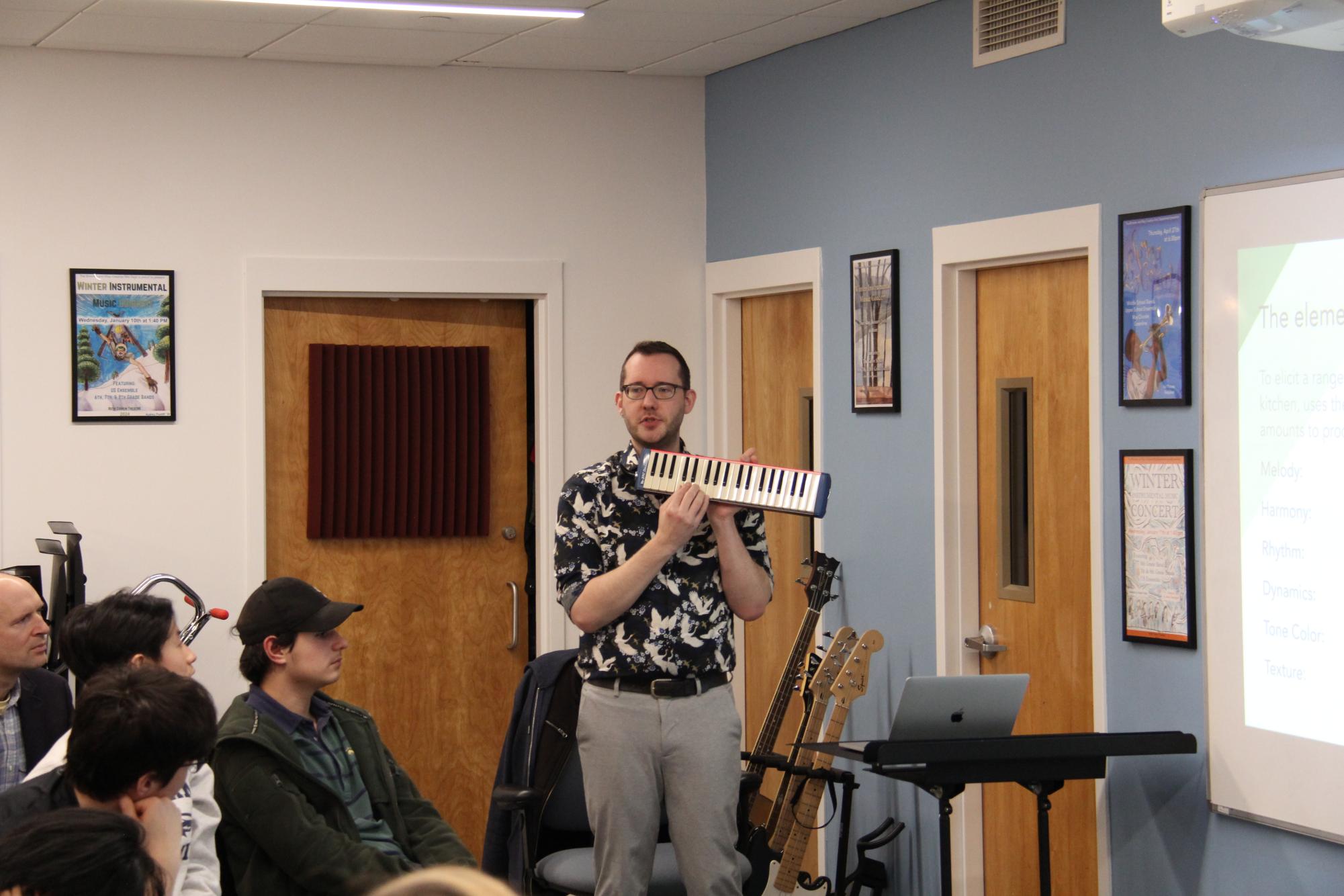




Hudson, a former classroom teacher, grounded his remarks in lived experience. He described his work with AI as an extension of years spent teaching students to think, write, and learn with intention. While he acknowledged anxiety surrounding AI’s capacity to imitate human creativity, he urged students to move beyond fear and engage the technology thoughtfully.
“It was an engaging keynote and gave us a lot to think about,” Upper School Head Joshua Neudel said.
To illustrate that concern, Hudson led students through interactive examples that showed how convincingly AI could replicate human-created content. Even careful observers, he said, often struggled to tell the difference.
“Human beings in general are pretty bad at distinguishing between AI-generated and human-generated content,” Hudson said.
Hudson framed that reality as a call for responsibility. He told students that AI reflected human choices and values, not independent intent, and that the next generation would shape its impact.
“Despite its name, there is nothing artificial about this technology,” Hudson said. “It’s made by humans, intended to behave like humans, and affects humans.”
As he turned to ethics, learning and literacy, Hudson urged students to resist letting technology replace productive struggle. Authentic learning, he argued, demands effort, judgment and reflection — qualities no algorithm could replicate.
“Nothing matters more in human-centered AI than agency,” Hudson said.
At the end of his talk, Hudson also asked students to evaluate whether an image was genuine or produced by AI.
Editors’ note: This story was updated on March 1 to include insight from Upper School Head Joshua Neudel.