




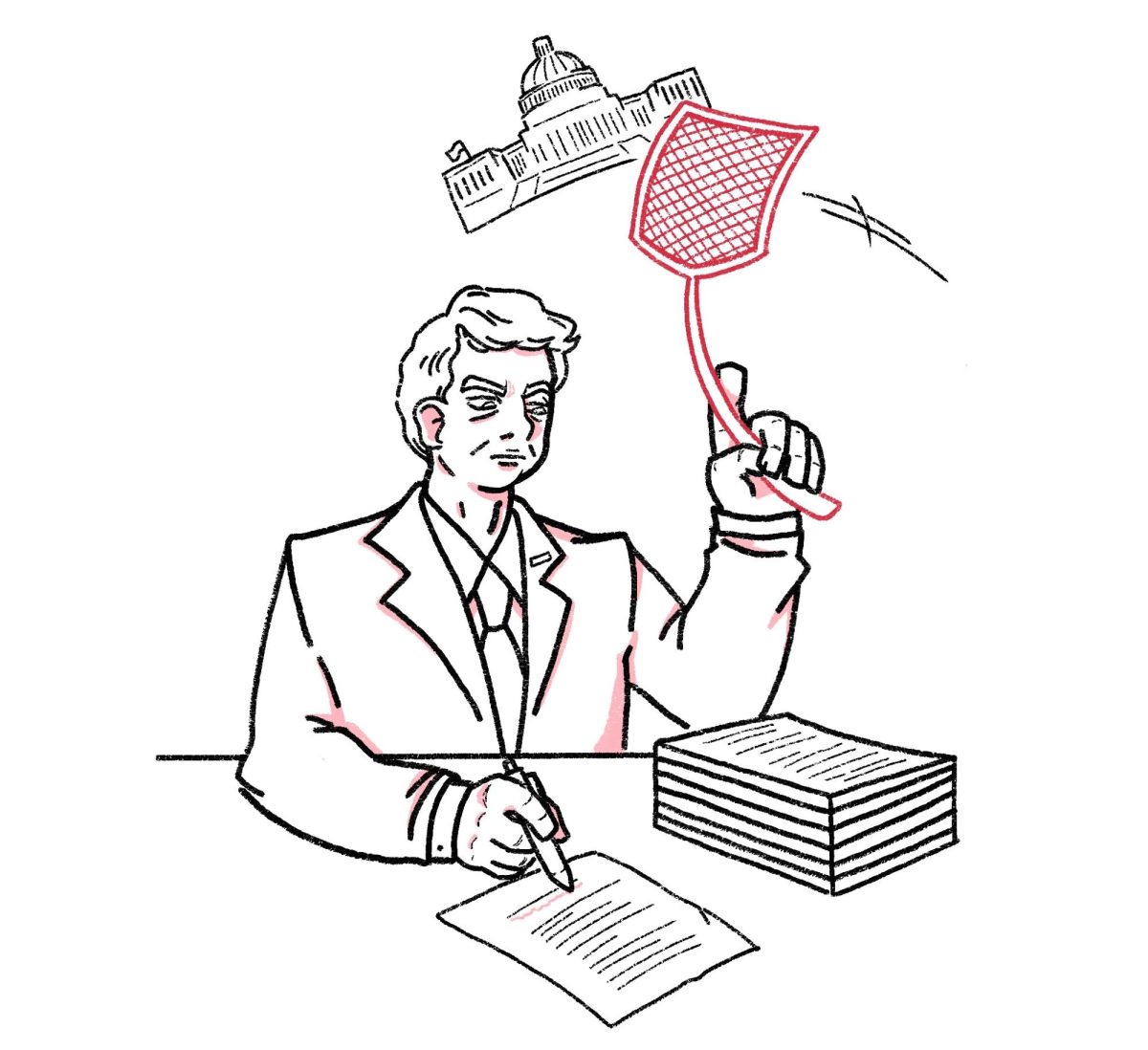





Yesterday, the Massachusetts House of Representatives approved a bill that bans cellphones in public schools bell-to-bell, prohibits social media for users under 14, and restricts social media use for users ages 14 and 15 by requiring parental consent.
But don’t expect any changes at Brimmer and May.
“We do not plan on changing our phone policy anytime soon,” Dean of Students Paul Murray said, noting that private schools are not subject to the proposed law.
According to the student handbook, students may use their phones freely during lunch, breaks, and free periods, but are generally prohibited from using them during class.
The legislation drastically expands upon a narrower bill (S.2581) passed overwhelmingly by the Senate last summer. While the Senate’s 38-2 vote focused exclusively on mandating cellphone-free policies in public schools by October 2026, the House version introduces strict new age-based regulations for social media users.
In an exclusive interview, state Sen. Cynthia Creem spoke with The Gator about the differences between the two chambers’ approaches.
“[The Senate] did not do anything in that bill on social media,” Creem said. “The House is taking up the cellphone bill and doing a piece on restricting social media.”
Because the bills differ significantly, a conference committee will convene to reconcile the House and Senate versions before sending a final piece of legislation to Gov. Maura Healey.
“[The Senate] may take up the social media as a separate bill, which I think would be a good idea, because then the senators would have a chance to talk about it,” Creem said, who also offered to stay in contact with The Gator to provide updates on the bill’s future.
The Gator also spoke with Mollie Cecconi, the staff director for state Rep. Alice Peisch.
The bill should not be looked at as a social media ban, Cecconi said, but as an initiative that encourages social media companies to follow their age restrictions.
“It would require [companies] to actually verify the age,” Cecconi said.
Regarding the cellphone restrictions initially championed by the Senate, Cecconi said the initiative to ban phones bell to bell has received surprising support from youths.
“Most students that we talk to actually would prefer these phones being taken away from them because they do have a major addictive component to them,” Cecconi said.
The proposal has also received strong support from school districts.
“They want this off their plate,” Cecconi said.” “And they want the state to come down and say no.”
Cecconi believes that with pressure from the State House, many private schools will implement phone restrictions as well.
“I imagine we’ll see restrictions even at the private level,” Cecconi said.
If passed by the Senate and signed into law, the new social media regulations are slated to take effect Oct. 1, 2026.