







|
Getting your Trinity Audio player ready...
|

For years, the fight to release the Epstein files should have been about transparency and justice for survivors—not partisan theater.
Yet President Donald Trump’s sudden reversal on the issue, after long dismissing the effort as a “Democrat Hoax,” underscores a troubling pattern: he backs accountability only when political pressure leaves him no choice.
On November 18th, 2025, the United States Congress voted on a bill calling for the release of the Epstein files, which according to TIME. passed 427-1 with Louisiana republican Clay Higgins being the lone vote of dissent.
The bill specifies the release of the files in a manner that will make them publicly accessible online. The bill gives a deadline of Friday, December 19 for the Department of Justice to release the files. Those details appear in the bill summary on Congress.gov and are unpacked for readers in a guide from Wired.
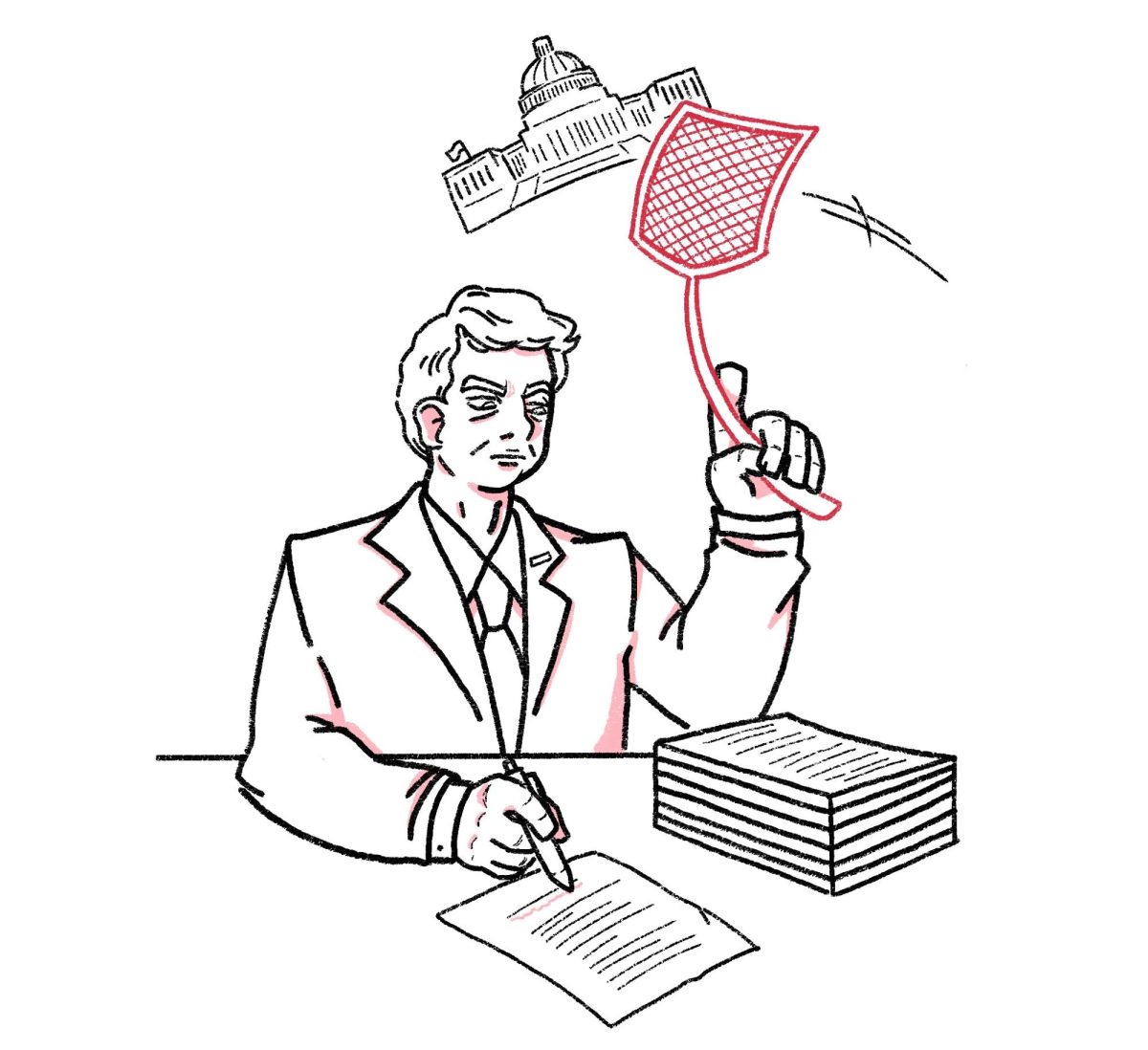
President Trump has long resisted the release of the files, which Trump had previously dismissed as a “Democrat Hoax” meant to undermine his party’s objectives. He finally supported the bill after increasing pressure from members of his own party, the Bipartisan coalition in Congress, and continued public support for the bill. Journalists have traced that shift from “hoax” to signed law, including reporting in The Guardian.
“Perhaps the truth about these Democrats, and their associations with Jeffrey Epstein, will soon be revealed, because I HAVE JUST SIGNED THE BILL TO RELEASE THE EPSTEIN FILES,” Trump posted on Truth Social after he signed off on the bill. Newsweek even quoted that exact post, underscoring the very public nature of his shift.
While the release of the files by the public is long overdue, Trump’s motives seem to be corrupt. The files should be released in an attempt to bring peace to the victims and to try to bring some semblance of closure.
Take it from Hayley Robson. When she appeared on CNN in September, she spoke for many Epstein survivors.
“We want to team up with Congress and this administration to finally resolve the Epstein files,” Robson said. “We have lives to live, and being ignored and disregarded for years doesn’t help us. We want justice.”
But the motives behind Trump’s reversal appear to be more based off political pressure, rather than what it should be: a genuine desire to help and support these victims. Bringing politics and blaming one side or another is nothing but cruel to people who have already suffered too much to be used as political pawns.
This is not the first time this has happened. During his first administration, Trump’s stance on the war in Ukraine was one of a quick end to the war in Ukraine “by any means”, including accepting Russian annexation of Ukrainian territory. This position was largely unpopular and his orders to freeze hundreds of millions of dollars in Ukrainian aid for nearly two months was a large part of his impeachment proceedings.
Timelines from PolitiFact and the Center for Public Integrity show another instance where policy moved only after intense political pressure, echoing the pattern we see with the Epstein files.
Once again, these reversals appear to be based not on his personal values or consistent principles, but on swaying public and partisan support. Massive changes like this make it near impossible for his enemies or his allies to predict what his next move is, and could threaten to distance him from his allies and fray public trust in his administration, only increasing doubts about where his loyalties lie.
When that pattern is applied to something as serious as the Epstein files, records tied to abuse, power, and accountability, it raises real doubts about whether justice, rather than political gain, is driving his decisions. And that’s when truth becomes a casualty of power.